Compare Maternity Hospitals and Birth Places in Jerusalem
Find out what each hospital offers and compare your options for giving birth in Jerusalem.
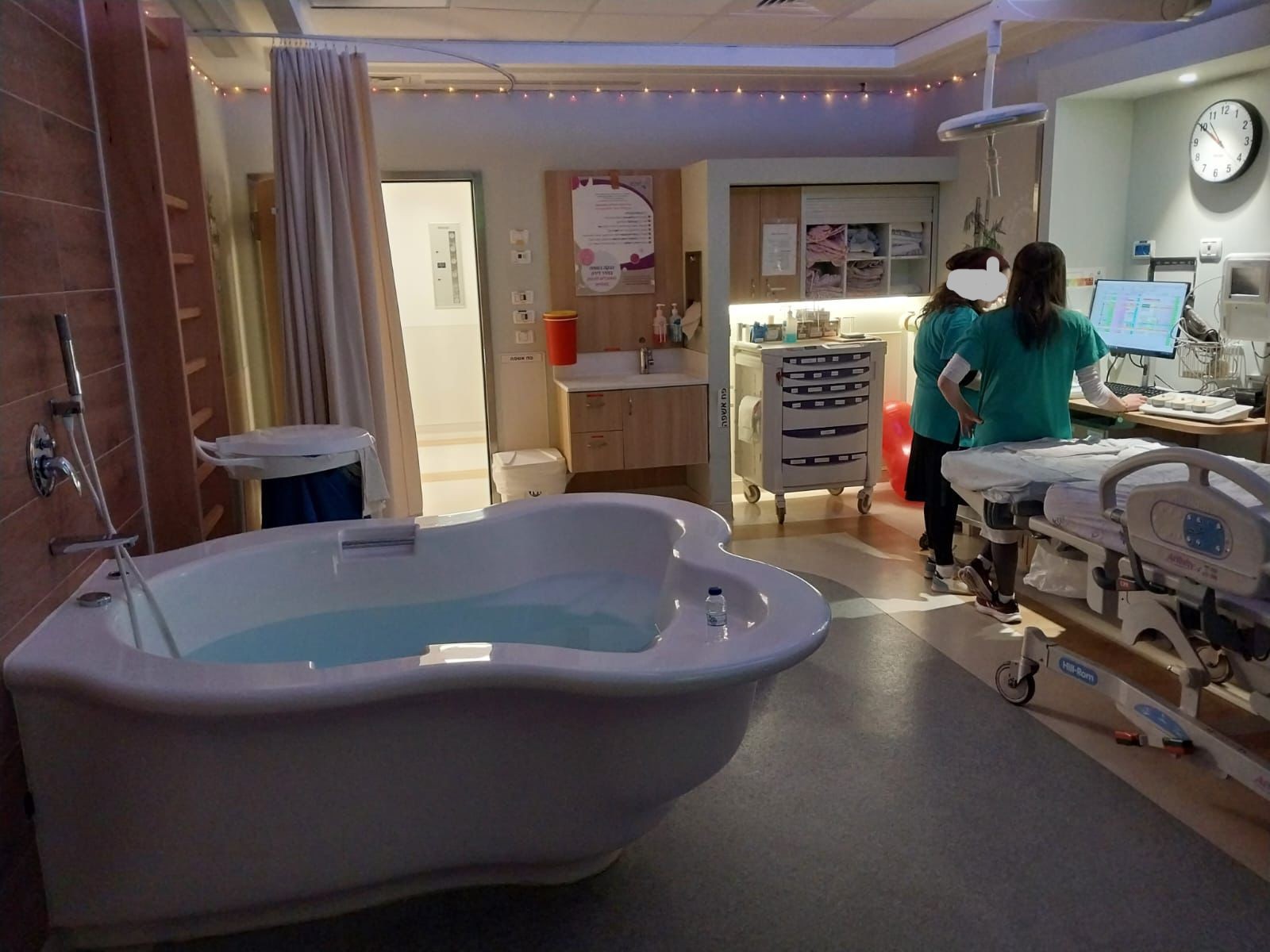
Choosing where to give birth involves more than choosing a hospital. Birth facilities, monitoring practices, pain relief options, approaches to birth, and the general atmosphere can differ between maternity wards. This comparison brings together practical information about four Jerusalem hospitals to help you explore your options and prepare for your birth.
Compare four maternity hospitals
Explore the maternity wards at Shaare Zedek Medical Center, Hadassah Ein Kerem, Hadassah Mount Scopus (Har Hatzofim), St. Joseph Hospital. Select the hospitals you would like to compare and the topics that interest you. You can view all the information or show only the differences between hospitals.
Where does the information come from?
The comparison is based on information from the amazing Yoldot (יולדות) app, experiences shared by doulas and other birth professionals, and my own professional experience in the Jerusalem maternity system. It brings together information about hospital facilities and policies as well as descriptions of practices reported by women and birth professionals.
Hospital policies and everyday practices can change. They may also vary depending on staff, room availability, and individual circumstances. The comparison is intended as a starting point for your own research, not as a guarantee of what will happen during your birth.
Planning Your Hospital Visit and Choosing Where to Give Birth
A hospital tour is a good opportunity to ask questions and get a better understanding of the maternity ward. Knowing what to ask can help you look beyond the facilities and understand how the hospital approaches labour and birth.
Read my guide to Choosing a Birthplace in Israel for practical questions to ask during a hospital visit, further information about your options, and links to the Yoldot (יולדות) app, where you can compare maternity hospitals in Hebrew and read reviews and experiences shared by women who have given birth there.
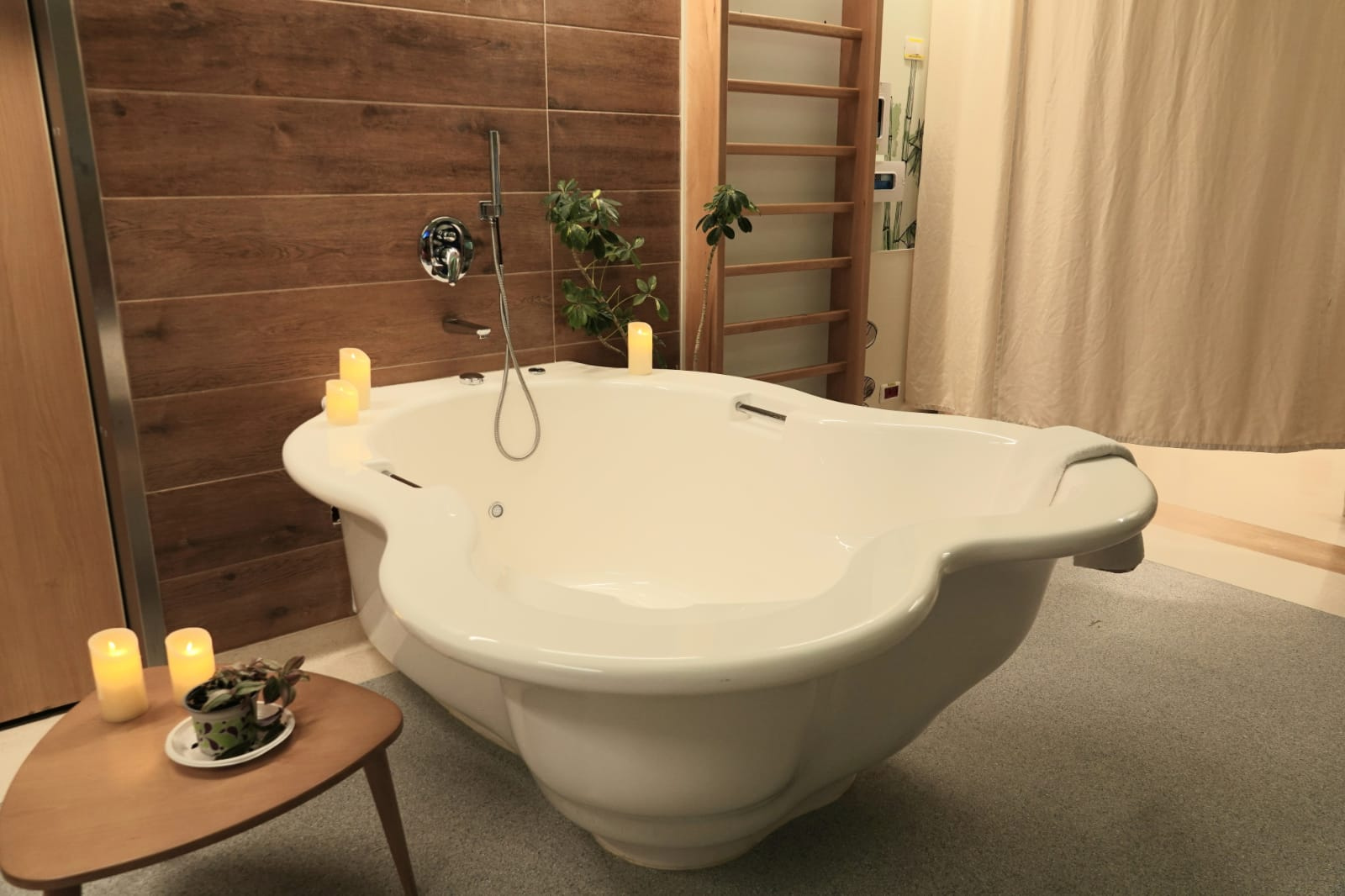
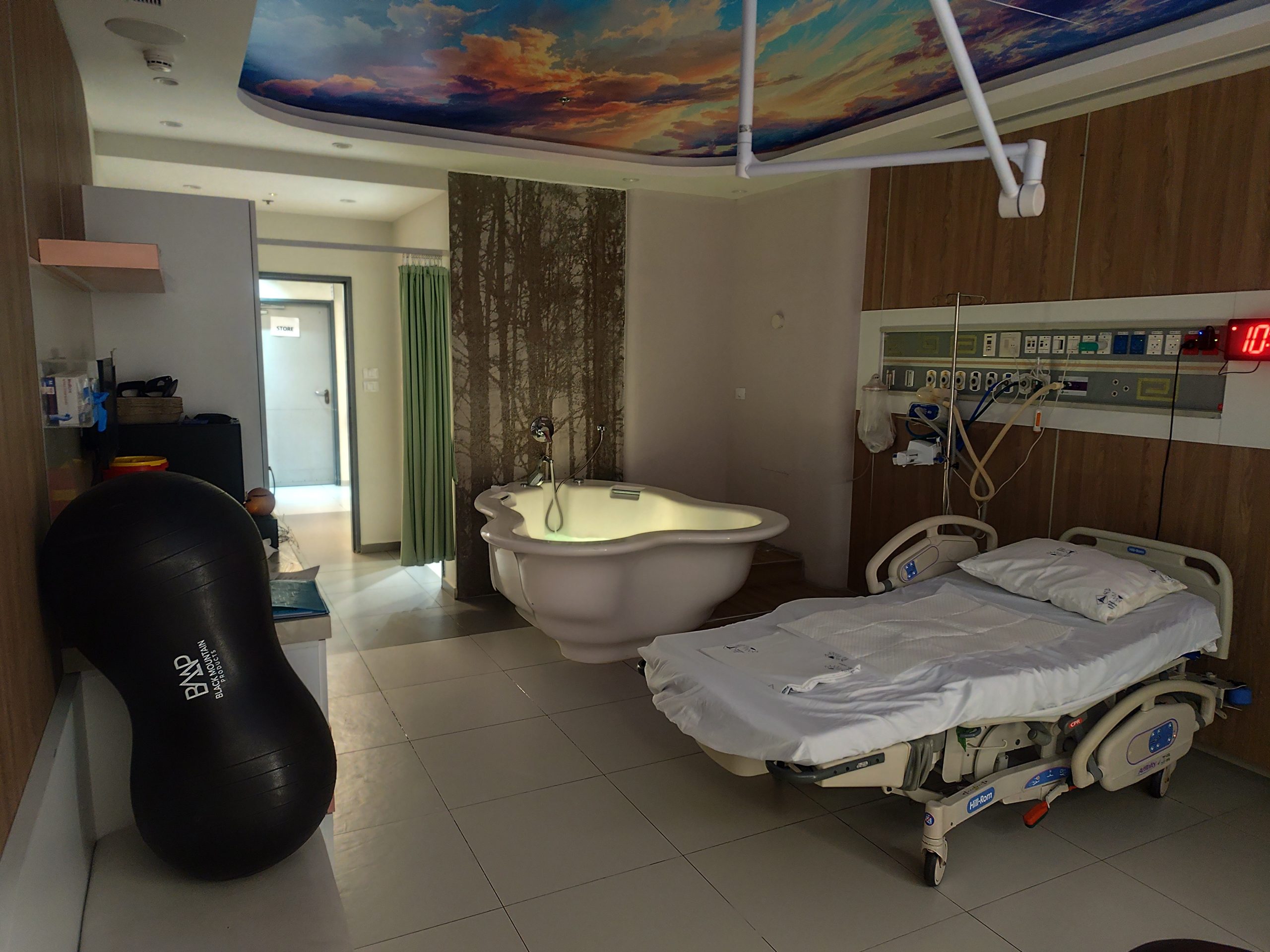
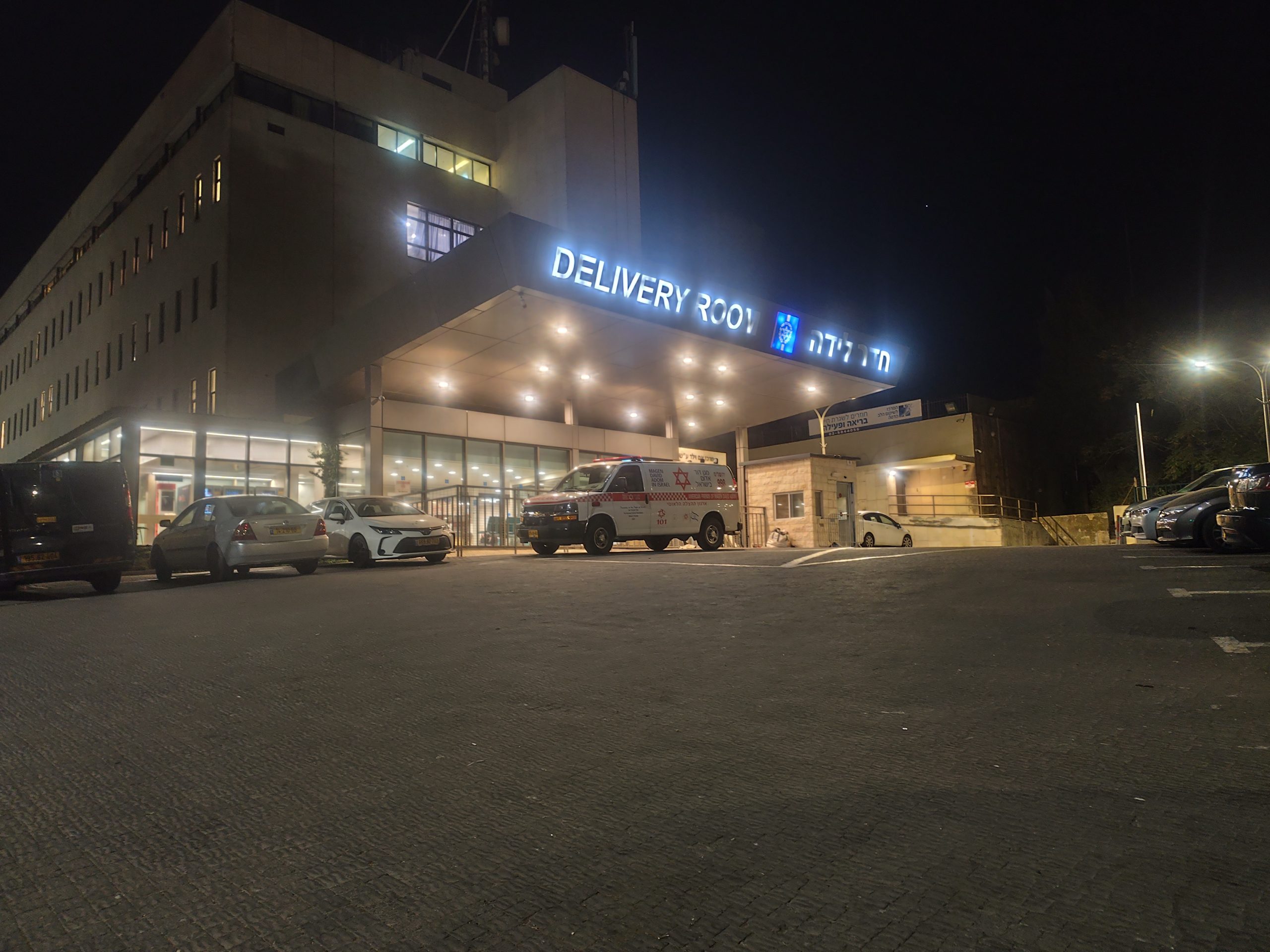
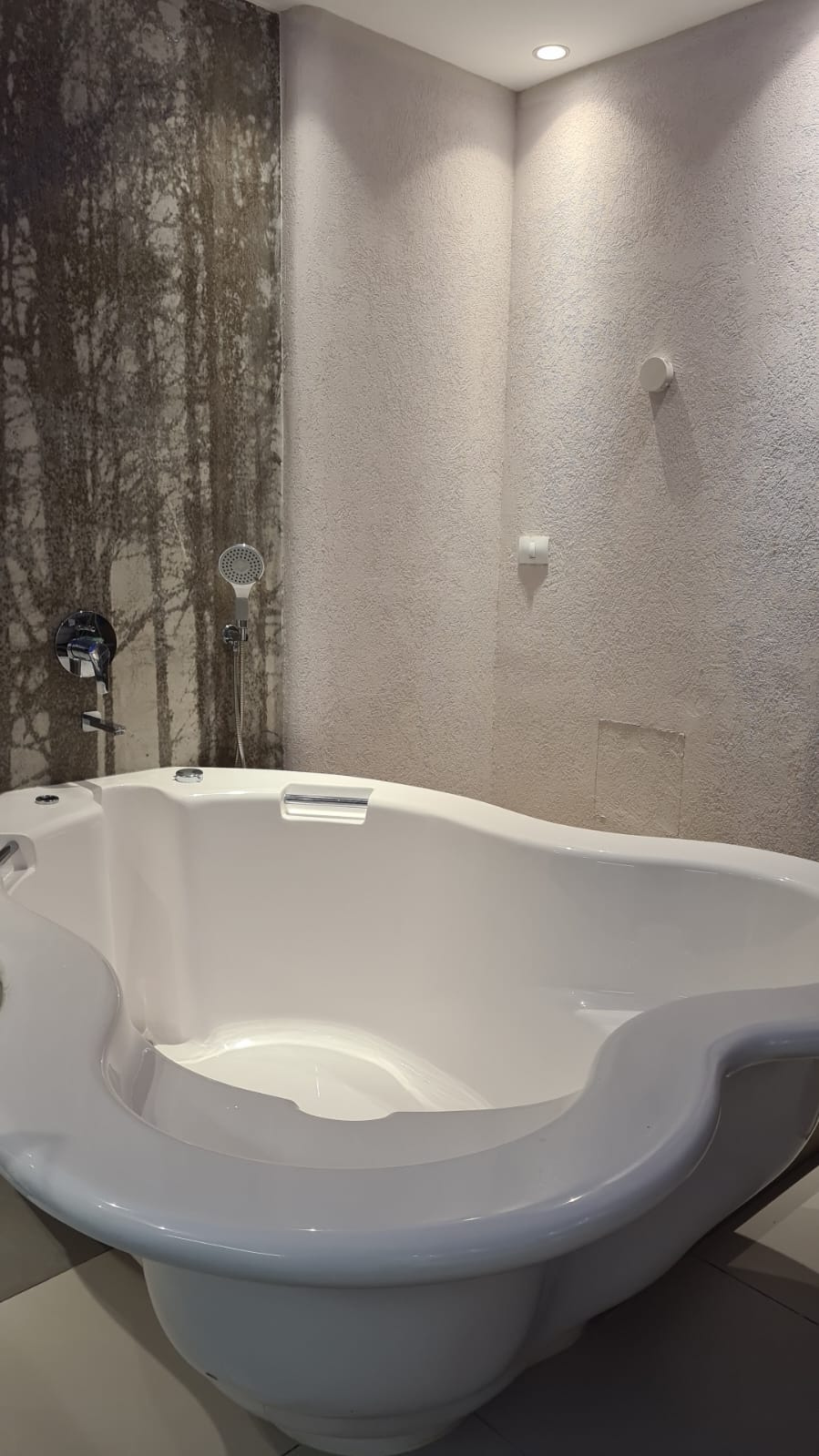
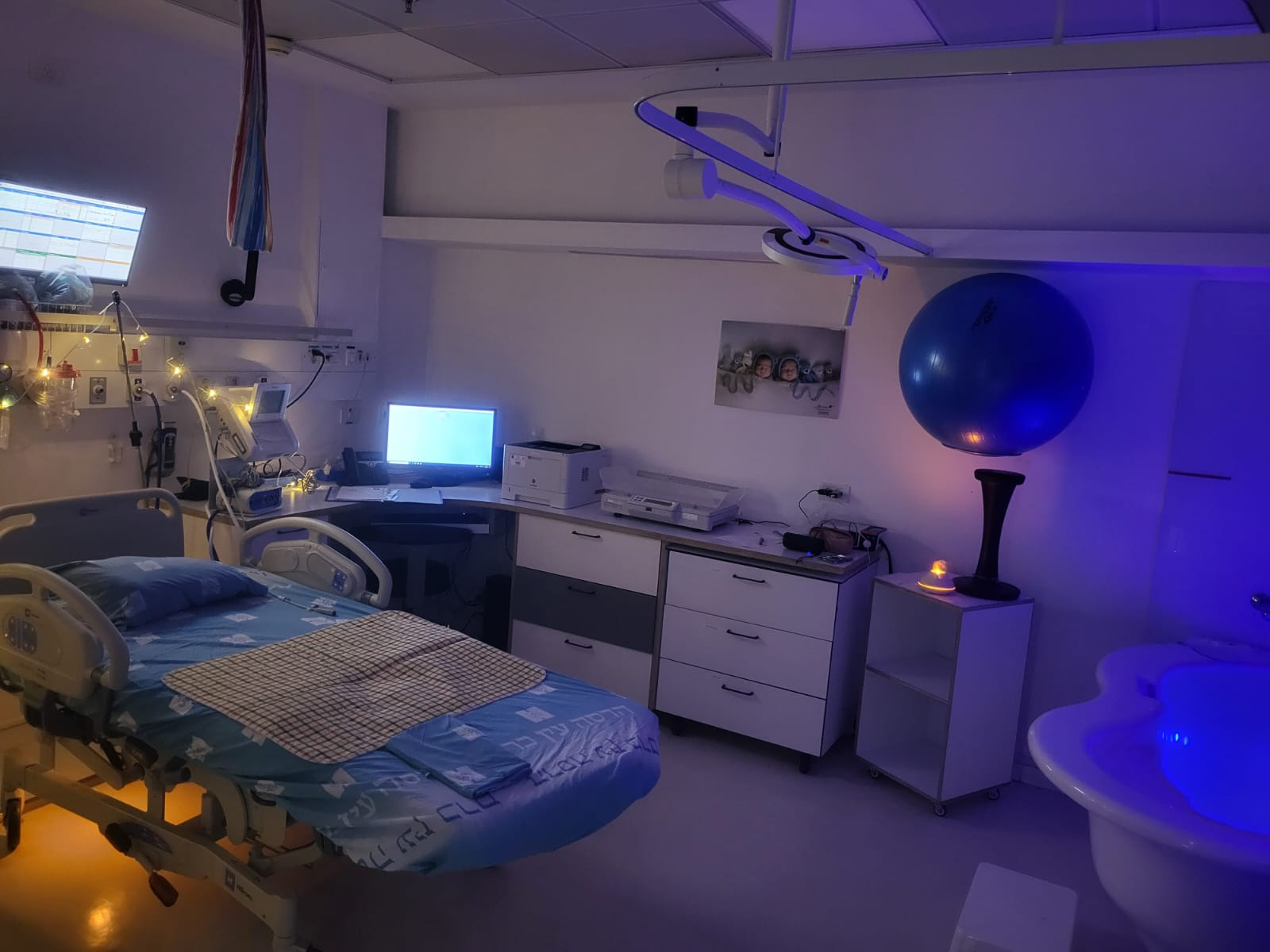
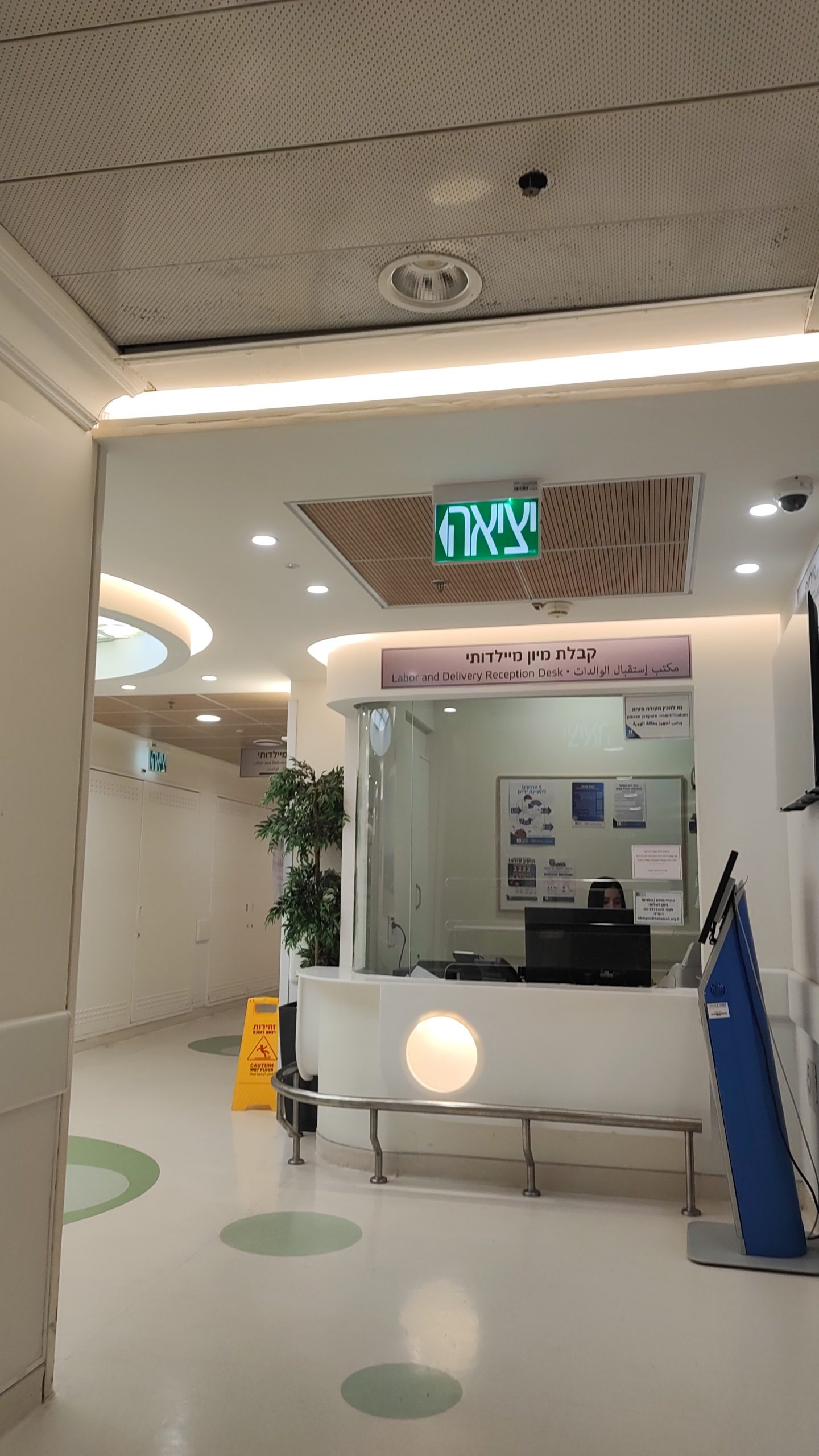
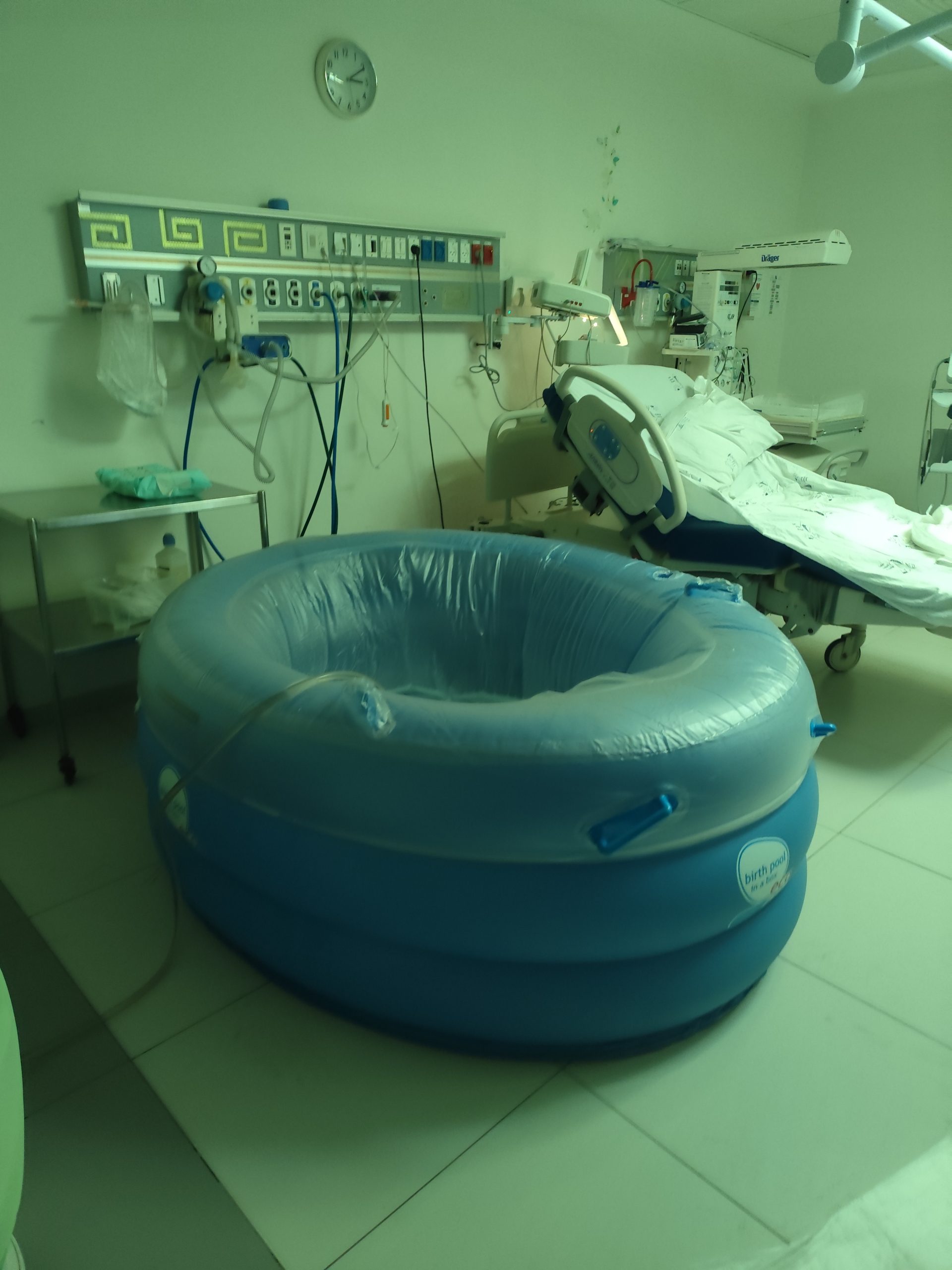
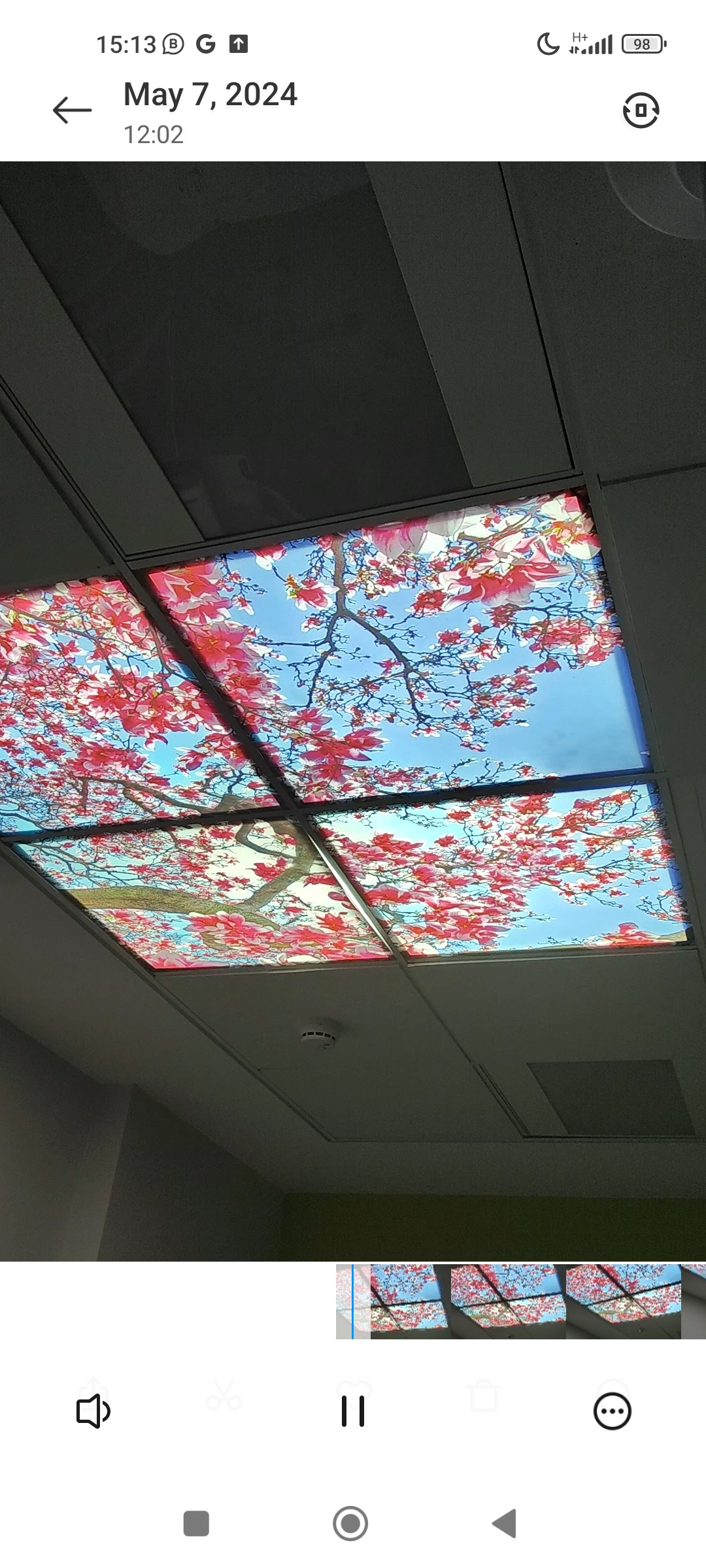
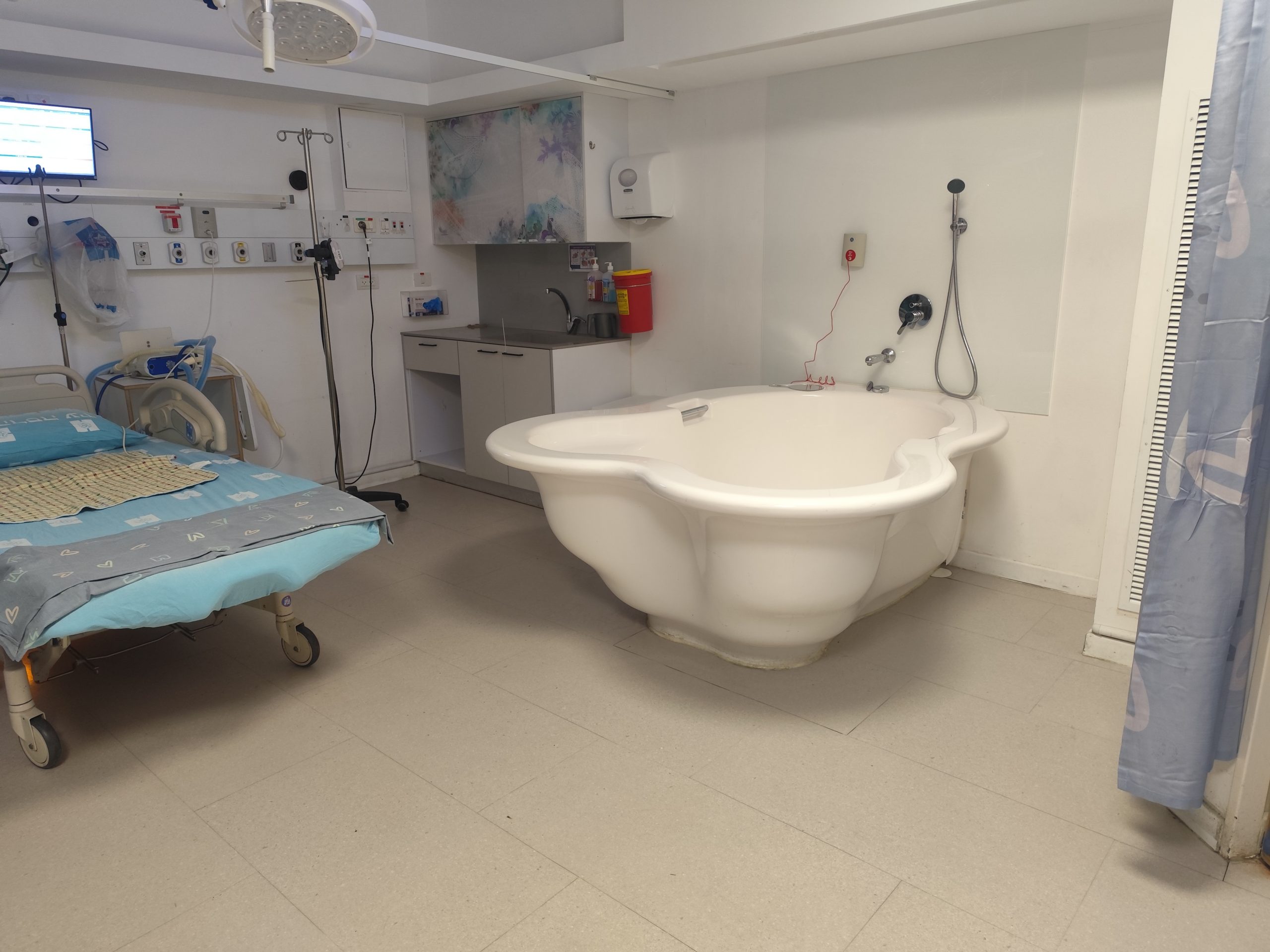
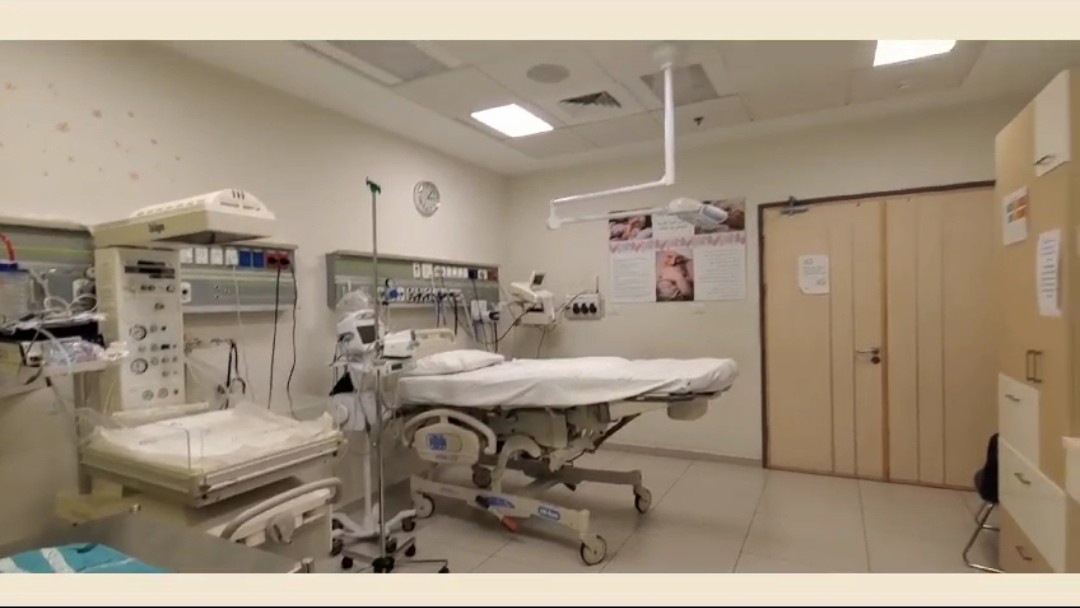
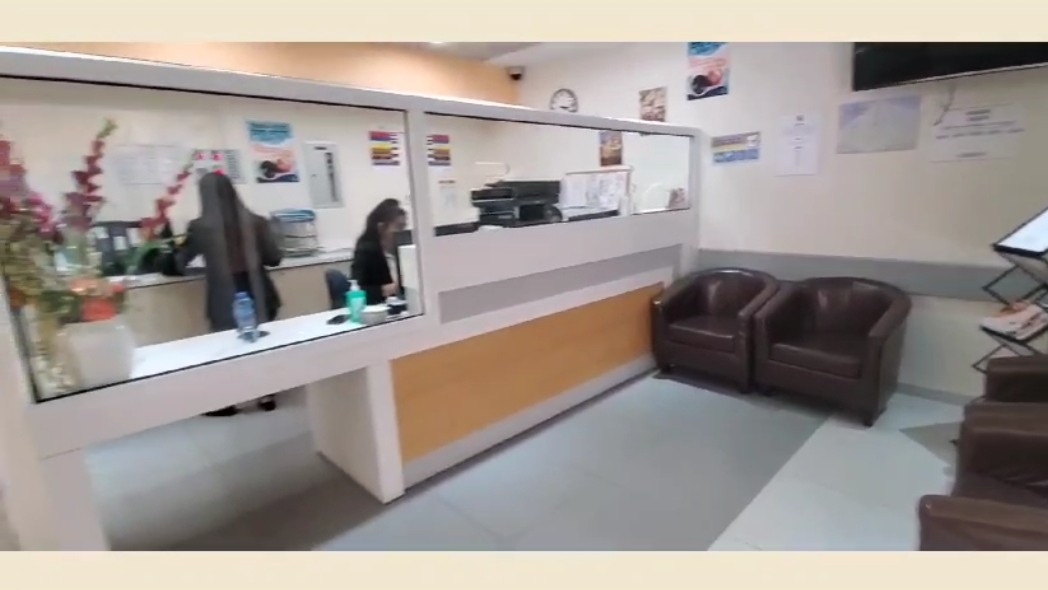
Compare Jerusalem maternity hospitals
Explore the information collected about four maternity wards in Jerusalem. Choose the hospitals and subjects you would like to compare.
Hospital practices and availability can change. Please confirm important details directly with the hospital.
Choose hospitals
Select two or more hospitals to compare. All four Jerusalem maternity hospitals are included.
Choose categories
Select the topics that matter to you.
Your comparison
See it for yourself
Booking a Hospital Tour or Meeting
Most maternity wards offer opportunities to visit the department, learn about their facilities and ask questions before giving birth. In most hospitals, you can also arrange a meeting with a midwife during pregnancy to discuss your needs and have important information added to your medical file. This may include, for example, a previous traumatic birth or other experiences and preferences that could influence your care during labour and birth.
Shaarei Zedek
You can call 02-5645234 or send a WhatsApp message
“Yad beYad” free prenatal meeting with a midwife
Ein Karem
Here you can register online for a tour.
“Boi Nedaber” free prenatal meeting with a midwife
Har Hazofim
Here you can register online for a tour.
“Boi Nedaber” or “Leyda metakenet” free prenatal meeting with a midwife, or prenatal meeting with a doctor (for a fee)
St.-Joseph
Send a WhatsApp message to register
Feel at home
Homebirth in Israel
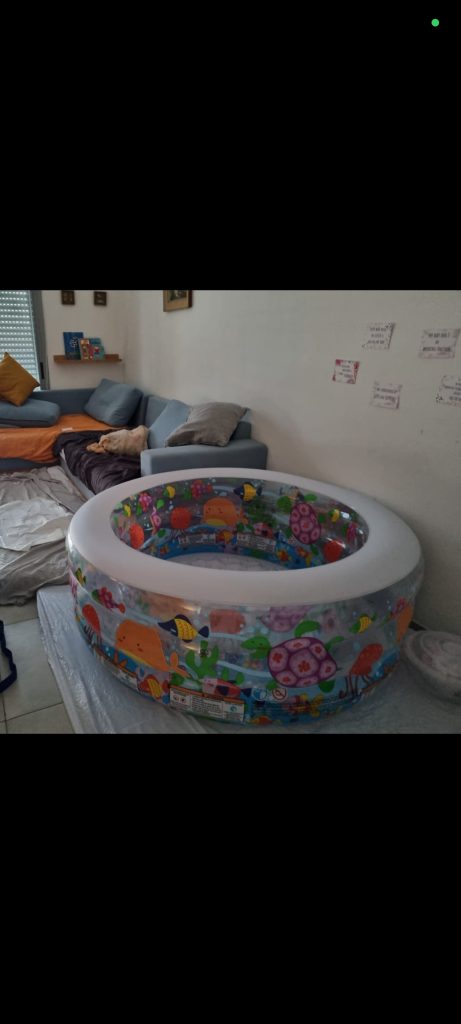
Women have the legal right to choose where they want to give birth. Who is allowed to accompany whom in a homebirth in Israel is regulated by the Ministry of Health. It is a private service, usually provided by a midwife who offers continuous care throughout pregnancy, birth, and the postpartum period. For women who want to have a physiological, undisturbed birth, this can be an option that allows them to remain in a familiar environment, use a birth pool, have continuous support, and move freely throughout labour.